
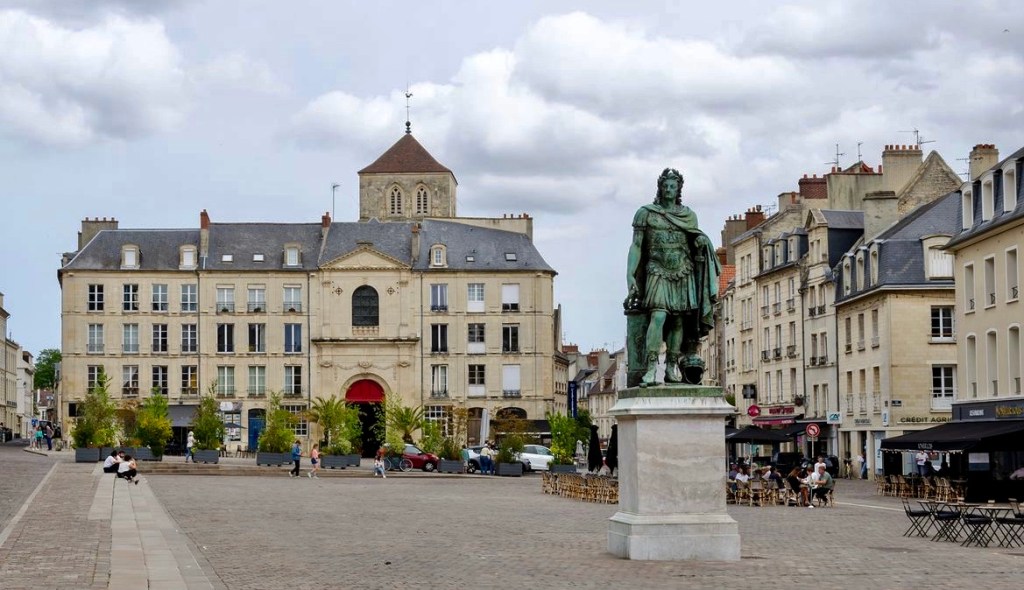
Place Saint-Sauveur, located in the heart of Caen, is one of the city’s most iconic landmarks. Rich in history and architectural beauty, this square has witnessed numerous significant events over the centuries. This blog post delves into the fascinating history of Place Saint-Sauveur, from its medieval origins to its central role in modern-day Caen.
Medieval Origins
The Founding of the Square
Place Saint-Sauveur traces its origins back to the Middle Ages, a time when Caen was an important center of commerce and religion. The square is named after the Church of Saint-Sauveur, built in the 11th century. Initially, the square served as the central marketplace where residents of Caen and the surrounding areas came to trade agricultural products, clothing, and various other goods.
Economic Importance
Over the centuries, Place Saint-Sauveur became a vital hub of Caen’s economic life. The fairs and markets held here attracted merchants from across Normandy, contributing to the city’s prosperity. The buildings around the square, often half-timbered houses, housed shops and artisan workshops.
The Modern Era
Architectural Transformations
With the advent of the Renaissance, Place Saint-Sauveur underwent significant architectural transformations. The half-timbered houses were gradually replaced by stone buildings, which were more durable and often adorned with sculpted facades. The Church of Saint-Sauveur, at the center of the square, was also renovated to reflect the new architectural styles of the period.
Historical Events
Place Saint-Sauveur was the site of many historical events. During the religious wars of the 16th century, the square was a gathering place and sometimes a battleground between different religious factions. Later, during the French Revolution, it was the site of demonstrations and political speeches.
Place Saint-Sauveur in the 20th Century
World War II
World War II had a profound impact on Place Saint-Sauveur. The Allied bombings of 1944, aimed at liberating Caen from German occupation, caused significant destruction. Many historic buildings were damaged or destroyed, but the square managed to retain much of its old-world charm thanks to post-war reconstruction efforts.
Reconstruction and Modernization
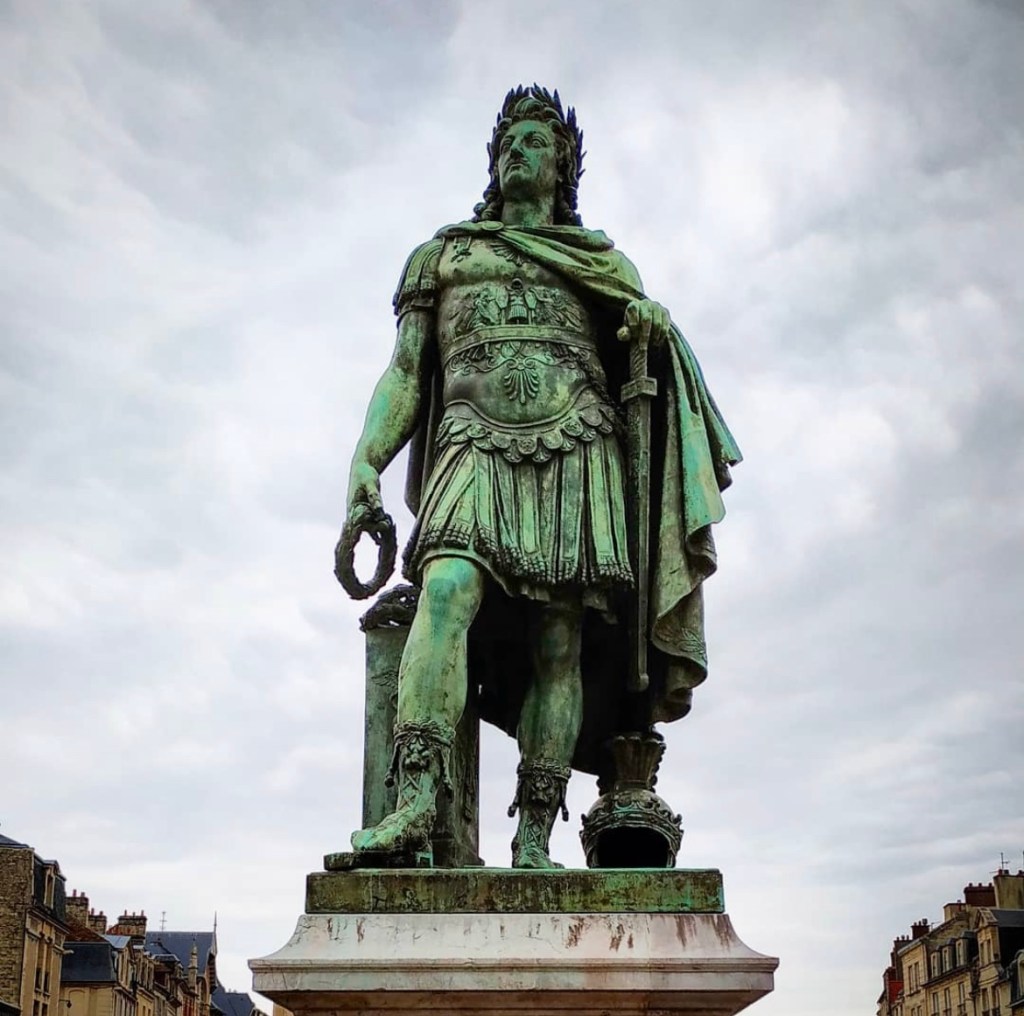
After the war, the city of Caen undertook a vast reconstruction program. Place Saint-Sauveur was carefully restored to preserve its historical character while adapting to modern needs. Buildings were reconstructed in traditional architectural styles, and new urban developments were made to facilitate traffic and commerce.
Place Saint-Sauveur Today
A Vibrant Center of Life
Today, Place Saint-Sauveur is one of the most vibrant spots in Caen. It regularly hosts markets, cultural events, and festivals. The cafes and restaurants lining the square are popular meeting places for locals and tourists alike. The square remains a living testament to Caen’s history, while also serving as a dynamic center of modern life.
Heritage and Culture
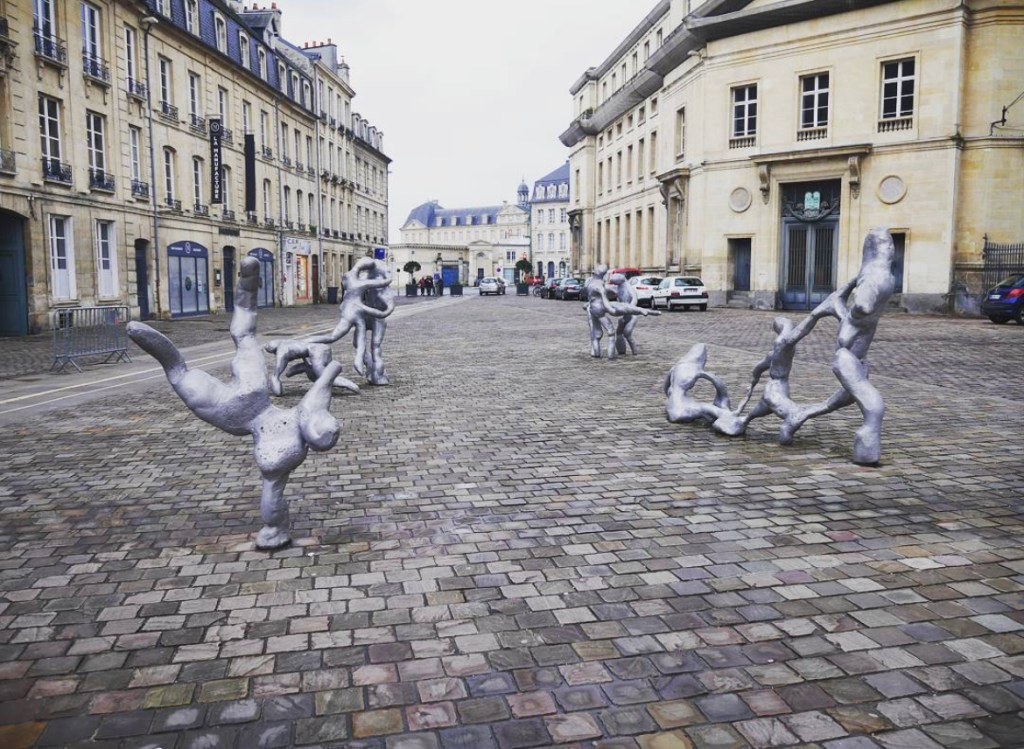
Place Saint-Sauveur continues to attract visitors with its rich architectural and cultural heritage. Guided tours provide insights into the history of the buildings and monuments surrounding the square. The Church of Saint-Sauveur, although partially reconstructed, remains a powerful symbol of the city’s history.
Place Saint-Sauveur in Caen is more than just a passageway; it is a reflection of the city’s tumultuous history and resilience. From its medieval origins to its current role as a center of life and culture, the square has evolved while maintaining its unique identity. For both residents of Caen and visitors, Place Saint-Sauveur remains an essential destination, rich in stories and discoveries.
 Visite de Caen